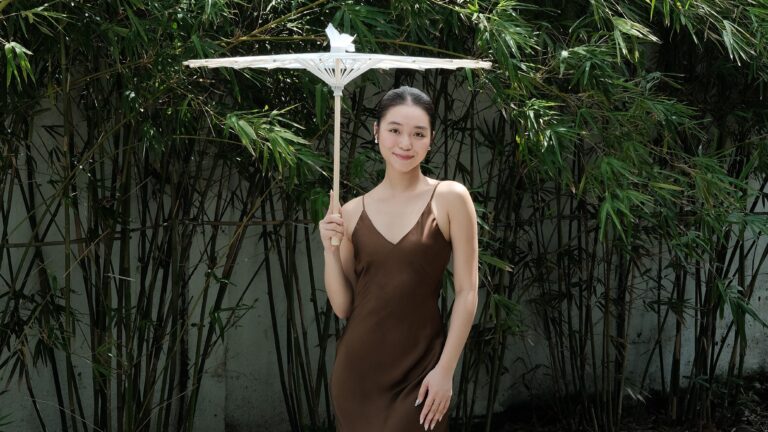

“As the next generation, I believe we should learn to cherish creation to work with original paper and shape it into many different forms.”
These words by Veronica Y. Pham – or Vero, as those close to her affectionately call her – resonate softly, yet with great depth. They are not proclaimed as a manifesto, nor do they seek to assert any lofty declaration. Rather, they feel like a quiet whisper from someone who has journeyed far, who has encountered many cultures and artistic practices, and who, upon returning, finds that what lingers most profoundly is a love for what is original, unadorned, and sincere.
For Vero, paper is never merely a material. Paper is the memory of forests, the trace of human hands, the place where time leaves its imprint on each delicate fiber. To love paper, for her, is to love process – to honor quiet labor, to revere creations born of patience and deep respect for nature. And from this love, her journey slowly unfolds: a journey that ventures outward only to return inward, carrying with it a deeper understanding of origin and belonging.
Who Is Veronica Y. Pham?
Paper, a Journey of Discovery, and the Spirit of “Back to the Root”
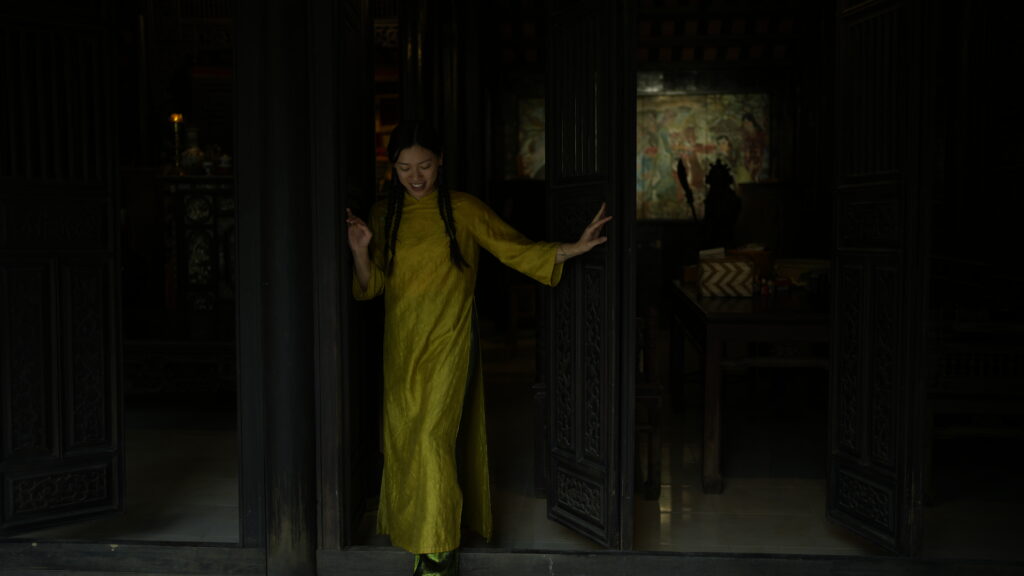
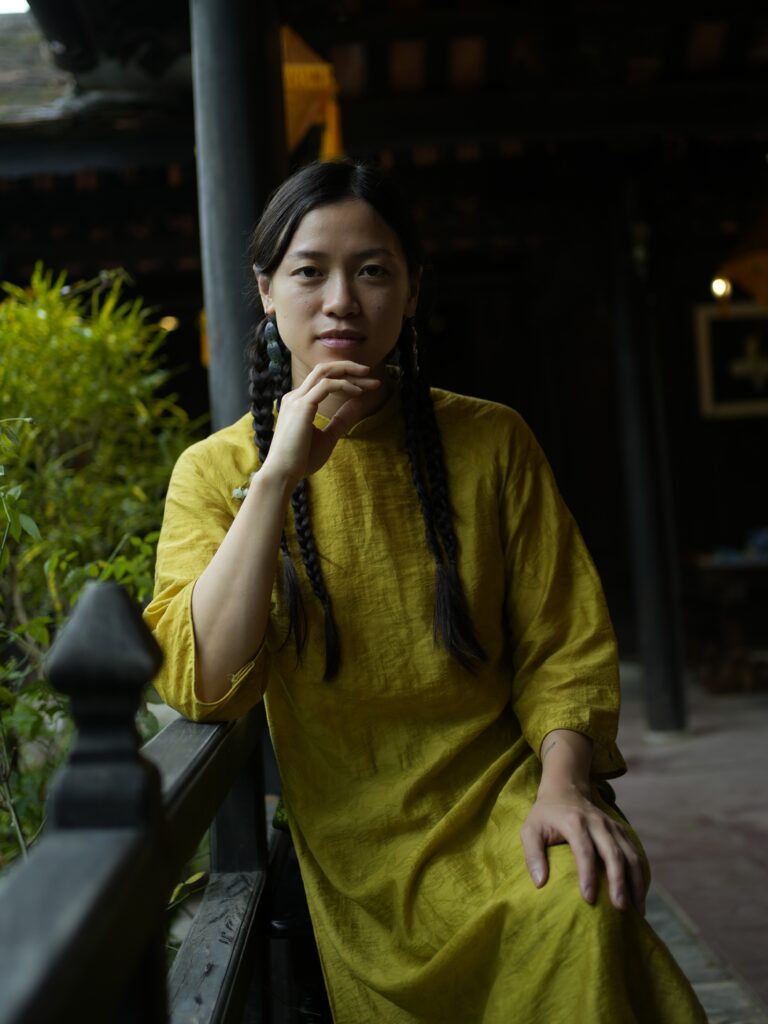
Veronica Y. Pham is a Vietnamese-American paper artist, researcher, and curator. Born and raised in the United States, she encountered art within a contemporary educational context – one that strongly encouraged conceptual thinking, material experimentation, and interdisciplinary dialogue. Yet it was within this seemingly “Western” space that Vero began to sense a quiet inner calling: the call of paper as a material, of handcrafted practices, and of indigenous values that had nourished generations before her.
Her relationship with paper was never accidental. Paper entered Vero’s life like a kindred spirit – first through curiosity about its structure, then through fascination with its process, and gradually through a profound and enduring bond. She studies paper through the lenses of materiality, history, culture, and philosophy. In her hands, paper is not merely for drawing, writing, or forming shapes; it becomes a storytelling medium – carrying narratives of people, land, water, and collective memory.
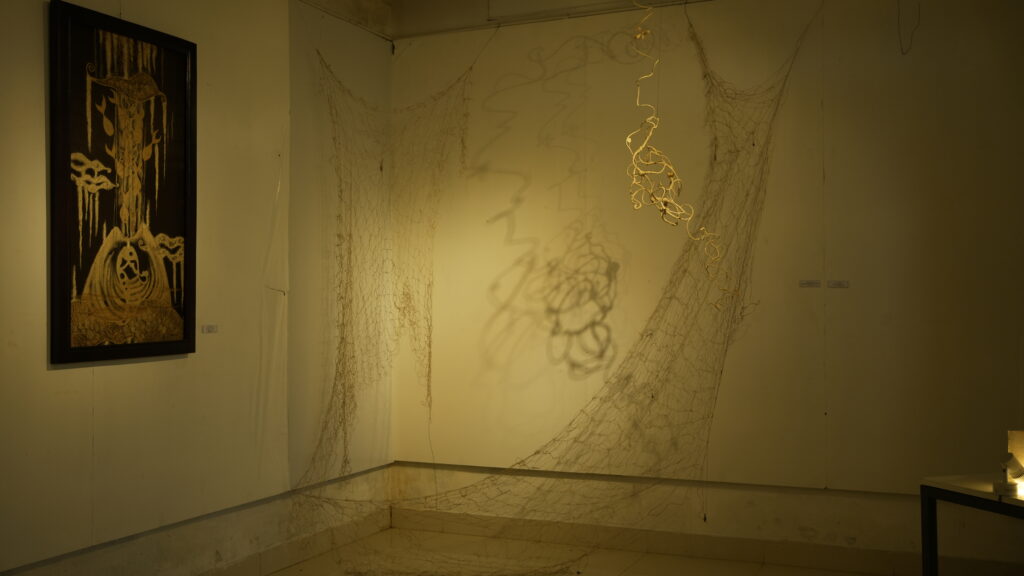
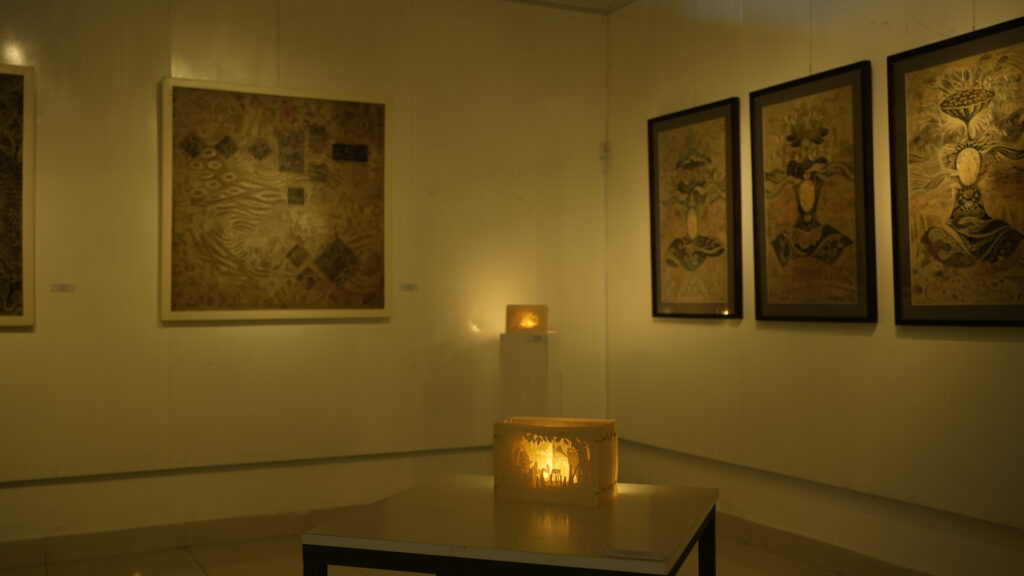
The deeper Vero immersed herself in the study and practice of paper art, the more clearly she felt the invisible ties between this material and East Asian roots, particularly those of Vietnam. Traditional paper-making villages, techniques passed down through generations, the ethos of working slowly, and a deep respect for nature – all began to emerge as fragments she had been unconsciously seeking. At that moment, “back to the root” ceased to be an abstract idea and became an inner necessity: a return to understand who she is, where she comes from, and what she can contribute to the shared flow of cultural heritage.
Returning to Vietnam
Re-encountering Home Through Paper, People, and Artistic Resonance
Veronica Y. Pham’s return to Vietnam was not a brief visit for observation or tourism. It was a form of spiritual homecoming – a journey through which she rediscovered the deepest parts of herself, mediated by people and by paper.
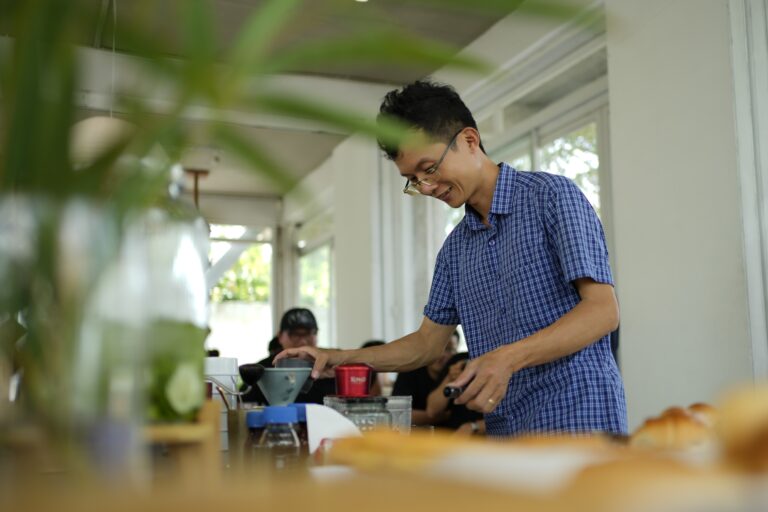
In Vietnam, Vero reunited with kindred friends, fellow artists, and, most notably, paper artisans – individuals who have quietly preserved handcrafted knowledge through time’s many upheavals, bridging past, present, and future to create continuity across generations. Among these encounters, her meeting with Mr. Phan Hai Bang held particular significance. Beyond professional alignment, they shared a deep understanding of the role of art in contemporary life: art does not stand apart from society; it must exist within it, engage in dialogue, and touch human lives.
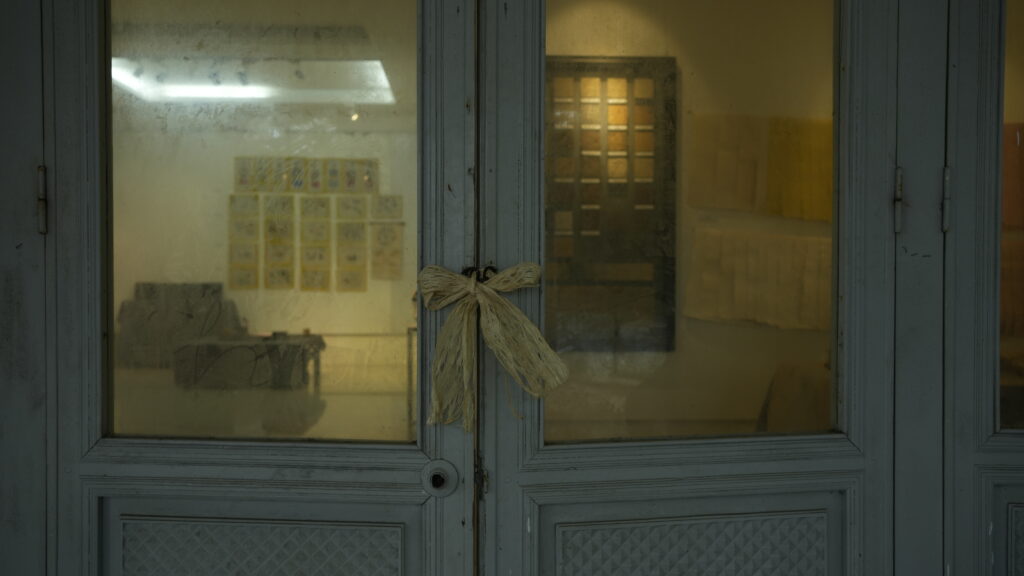
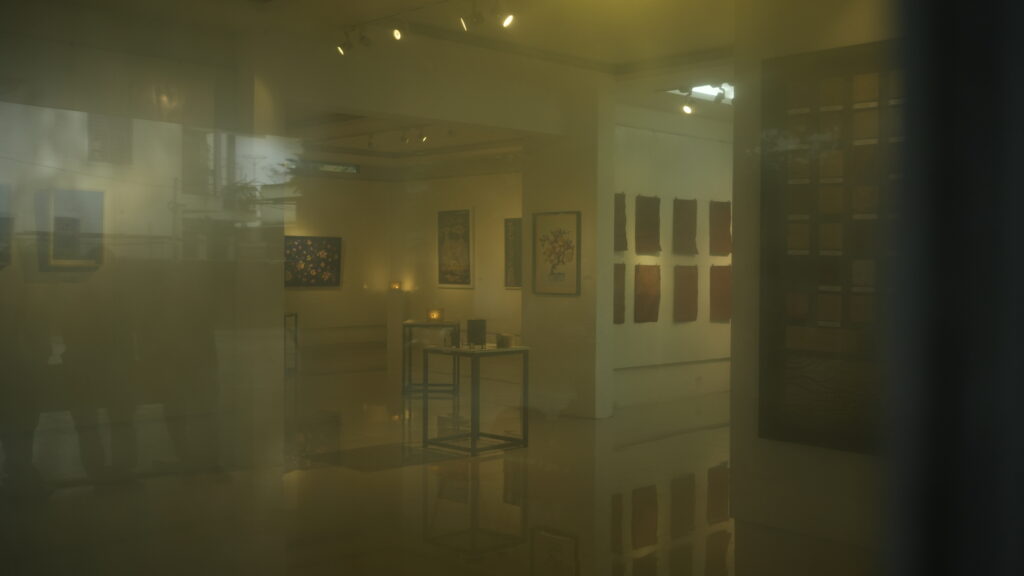
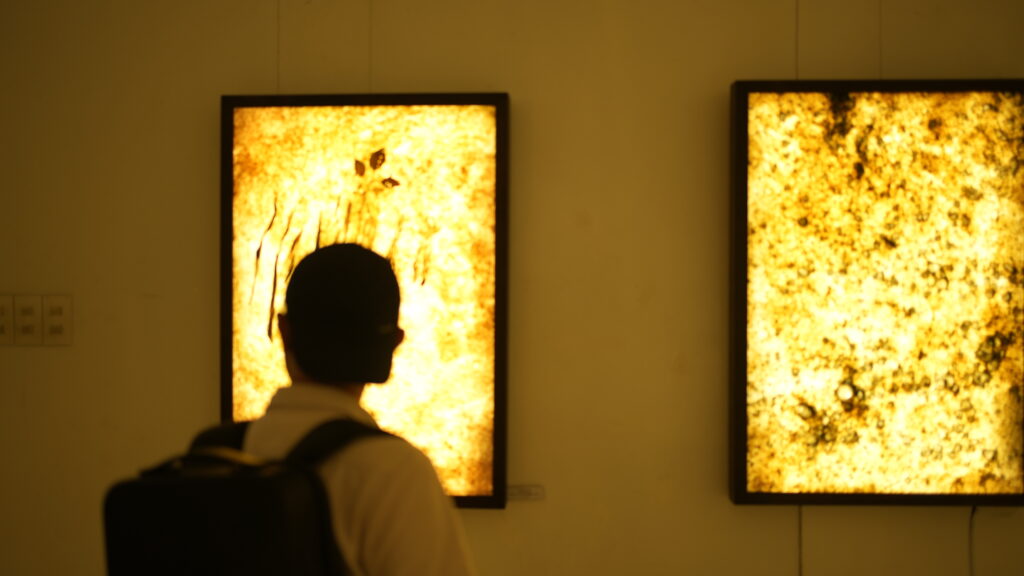
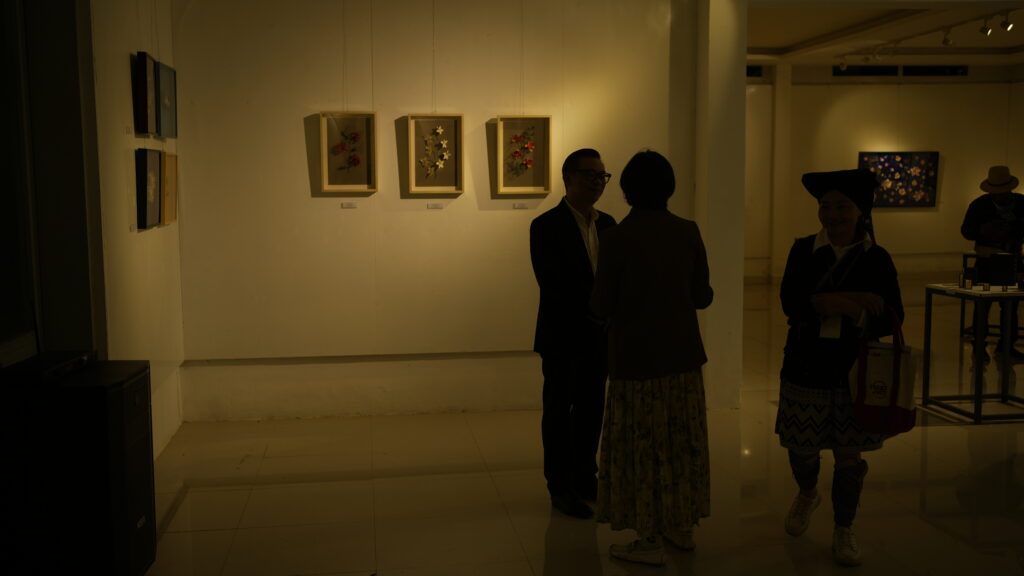
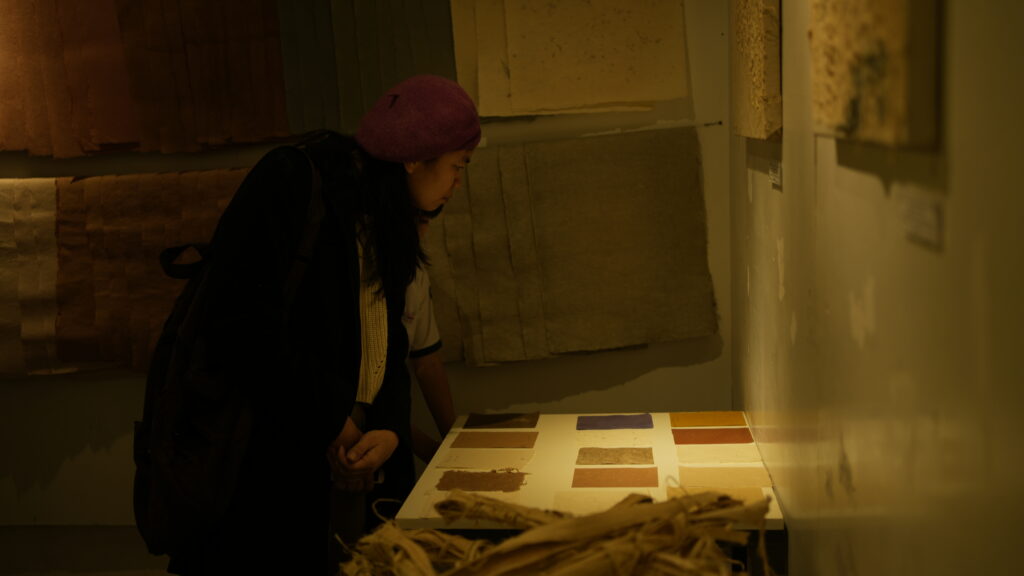
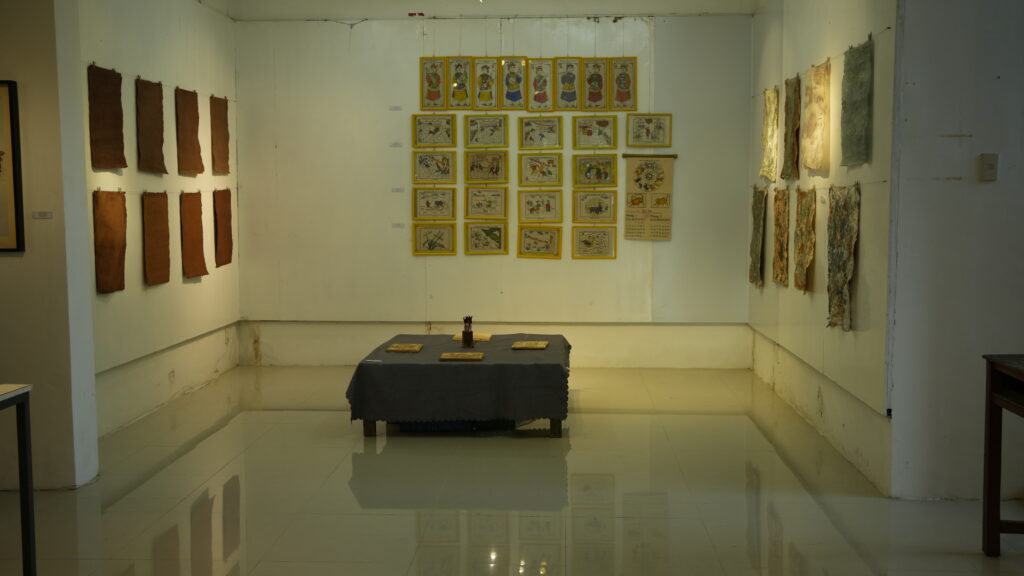
From this shared sensibility, the exhibition “Hien Huu” (Presence) was born in Huế, with Vero and Mr. Phan Hai Bang serving as co-curators. Huế – a city of quiet depth and layered history – became an ideal setting for the story of paper to be retold, not loudly, but with contemplative resonance. Hien Huu was not merely an exhibition space; it was a living environment where paper was allowed to exist as itself: fragile yet resilient, imbued with the marks of human touch.
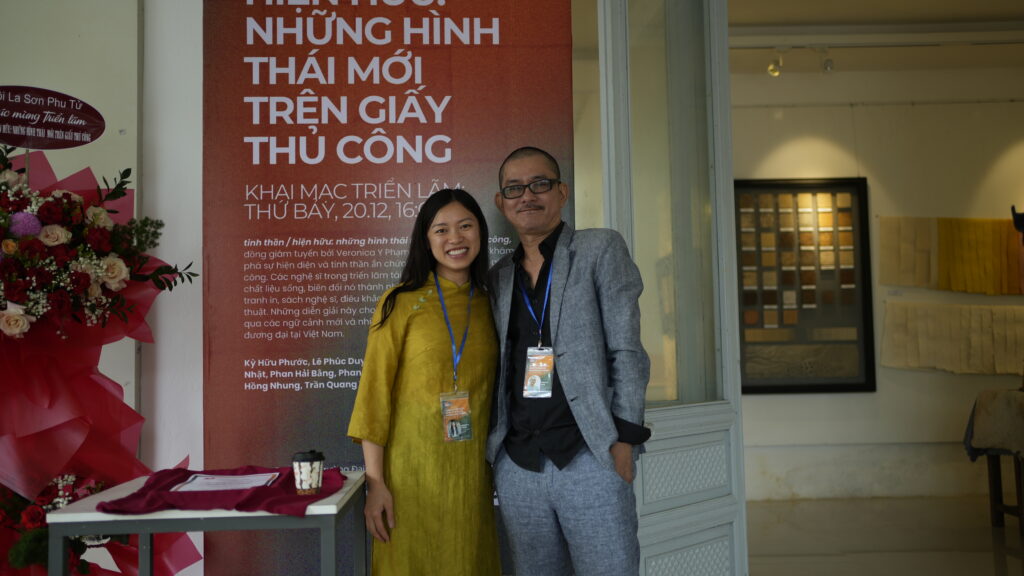
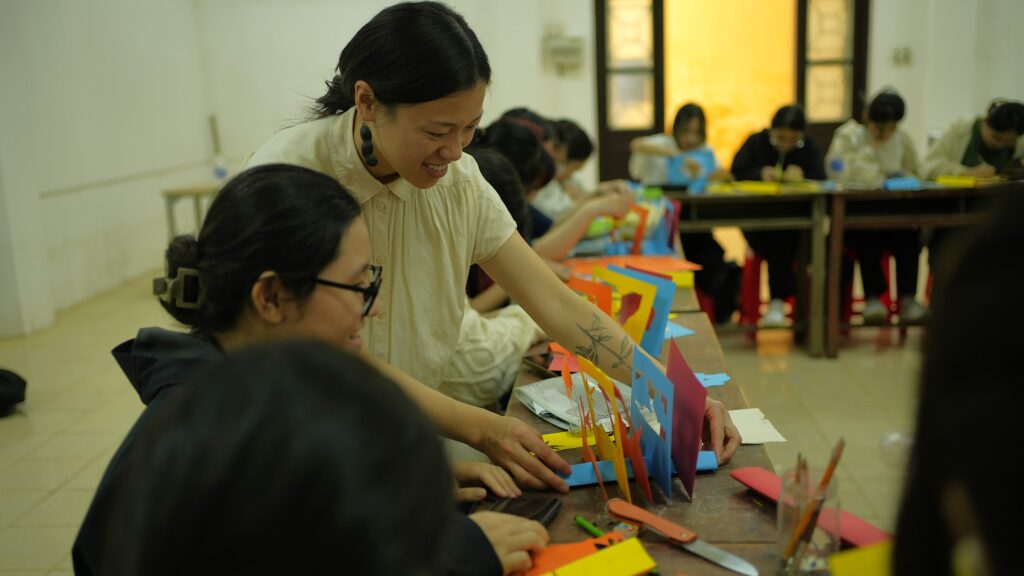
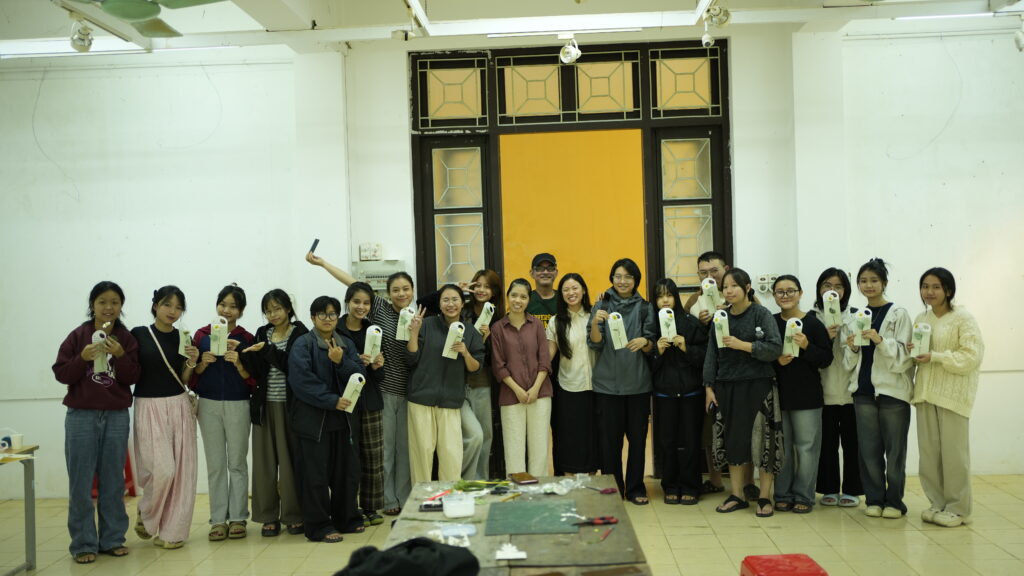
What made this return especially meaningful was Vero’s approach to connection. She did not position herself as an “international artist returning home,” but rather as a cultural inheritor – one who chose to immerse herself within the community. She met artisans and artists working with paper, listened to their stories, learned from them, and shared their knowledge with the public. Within the exhibition itself, Vero organized open workshops where participants – regardless of artistic background – could touch paper, feel its texture, and tell their own stories through it.
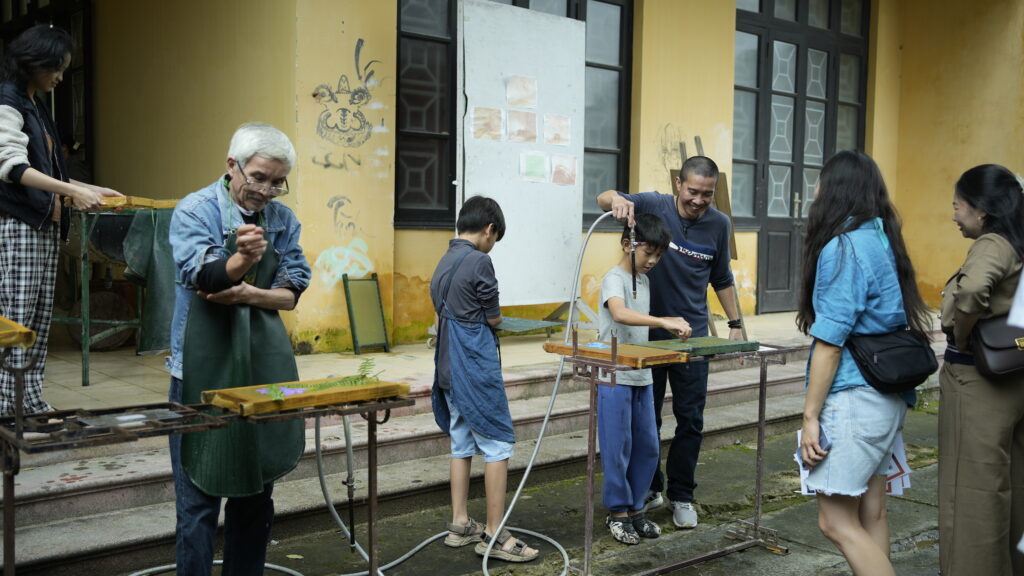
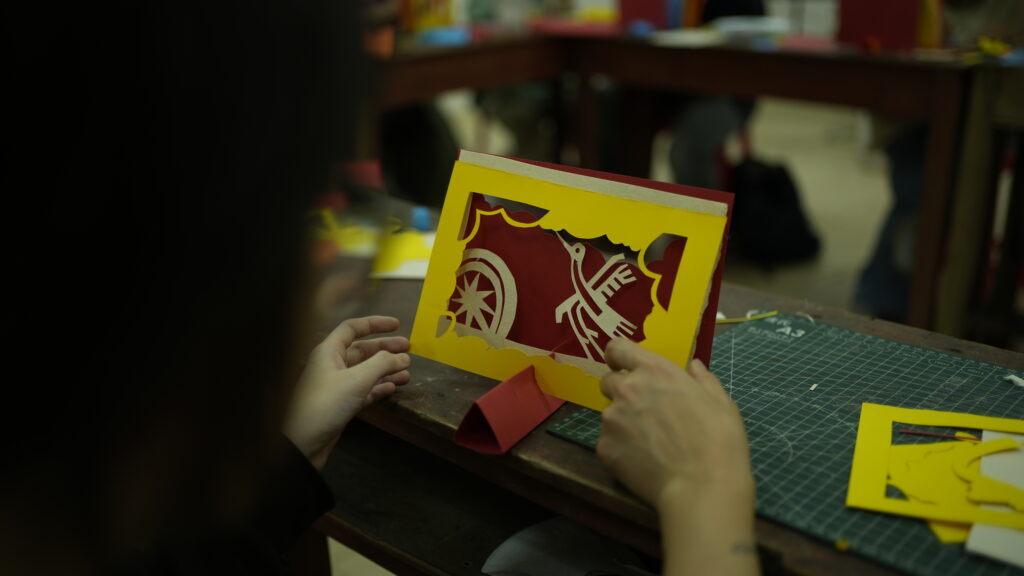
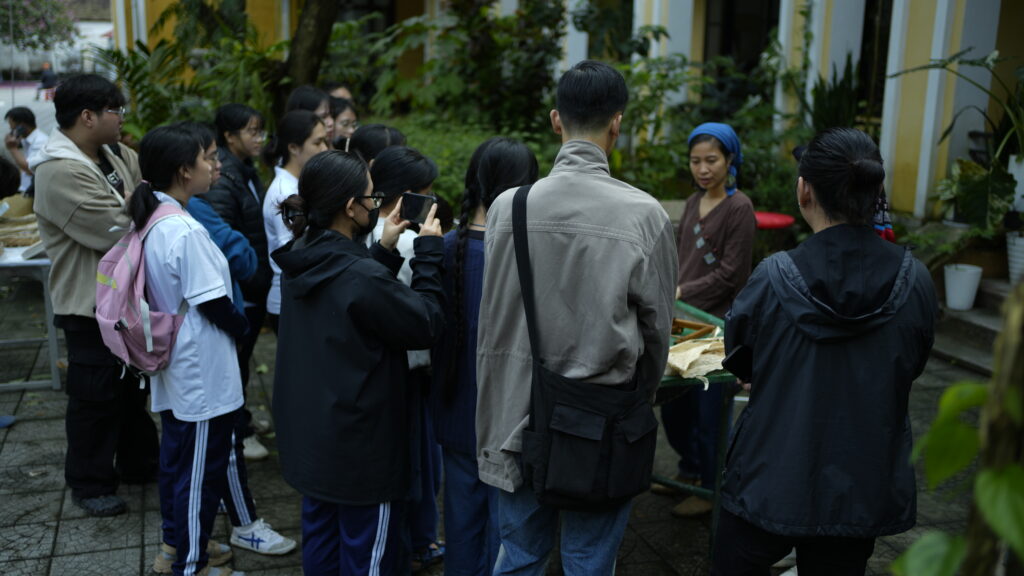
Artisans and artists connected through Hien Huu in Huế included:
Mr. Phan Hai Bang, Founder of Trúc Chỉ, Co-curator of Hien Huu
Ms. Phan Ngoc Hieu, Founder of May PaperFlower
Mr. Ky Huu Phuoc, woodblock print artisan
Ms. Tran Hong Nhung, Founder of the Zó Project
Mr. Trieu Phuc Thin / Mrs. Ly Sao Mai, Dao Tien traditional dó paper artisans
Mr. Tran Quang Thang / Mr. Nguyen Phuoc Nhat, Trúc Chỉ paper artists
Mr. Le Phuc Duy, Founder of the Mientation Project
Mr. Nguyen Duc Thinh, Founder of Timothy Bindery and bookbinding artisan
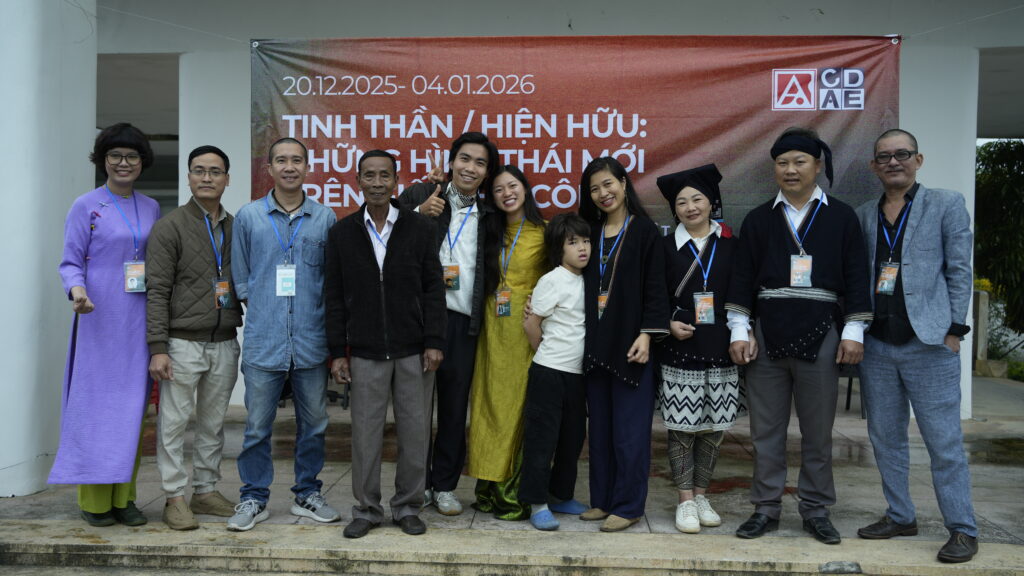
Within Hien Huu, paper art shed its distant or academic aura. It became a shared language – where creators and viewers met in sincerity. The workshops felt like extended conversations: each sheet of paper carrying a story, each pair of hands contributing to a collective memory.
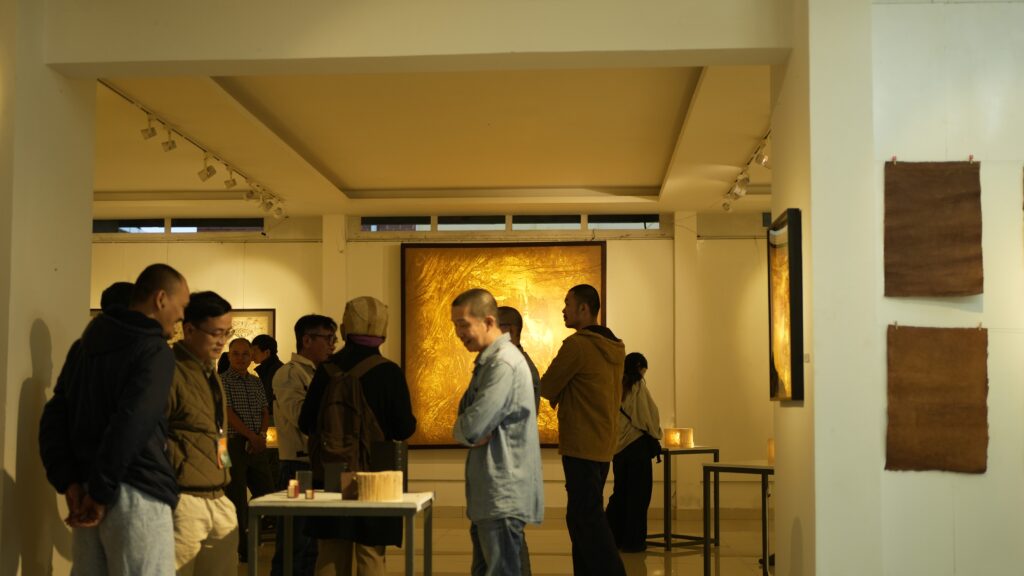
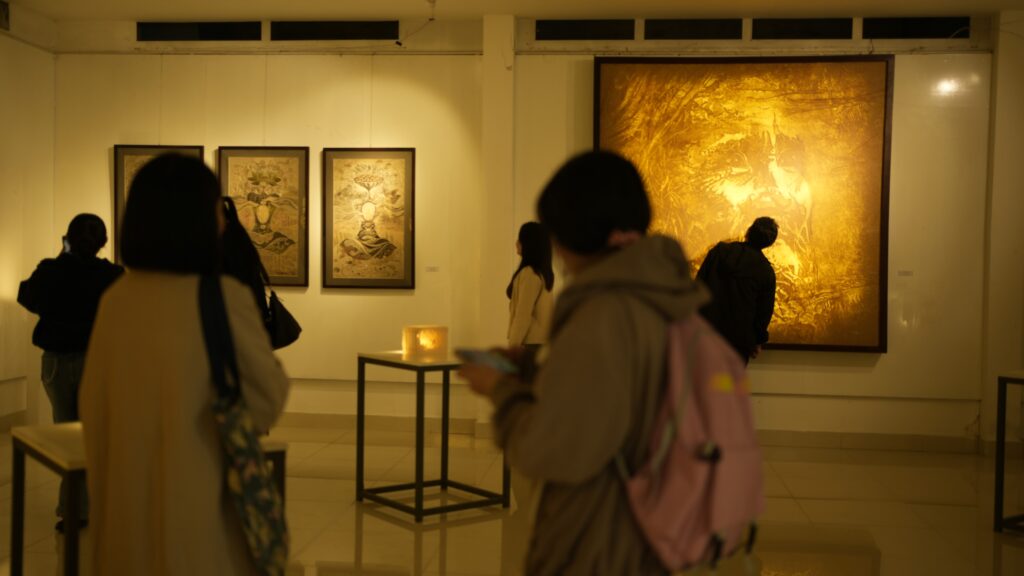
In these quiet moments, Vero saw with clarity the meaning of her path – to bring art closer to the public, not by simplifying it, but by opening hearts and sharing generously.
A Serendipitous Encounter at Ralph
When Kindred Spirits Find One Another
During this same return journey, through what felt like a natural turn of fate, Veronica Y. Pham made a brief visit to Ralph. It was not a prearranged meeting, but rather the way kindred spirits often find one another at precisely the right moment.
At Ralph, Vero shared her artistic journey – the years of research, experimentation, doubt, and quiet perseverance; the repeated cycles of leaving and returning, always accompanied by the question, “Where do I truly belong?” Through these unhurried conversations, a deep resonance emerged. It was the resonance of people united by a shared aspiration: to bring art beyond enclosed spaces, allowing it to exist within everyday life and touch people with authenticity and kindness.
Ralph – with its spirit of creating spaces for creativity and connection – met Vero, an artist constantly reflecting on how art might remain inseparable from community. No declarations were needed in that meeting. Listening, respect, and trust were enough – trust that sincere journeys inevitably intersect.
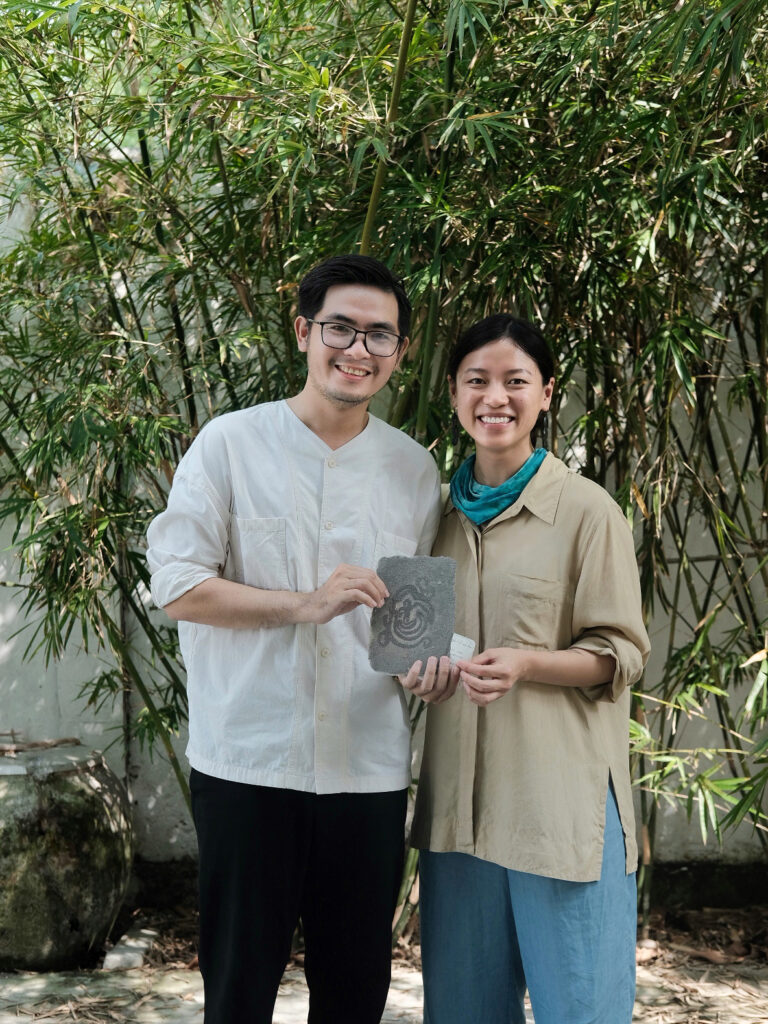
At Ralph, Vero’s story of paper was received not as a “project,” but as a flowing source of inspiration. It became a place where storyteller and listener together cherished values both fragile and enduring: creativity, patience, and love for indigenous culture. The conversations at Ralph did not conclude with fixed plans; instead, they opened possibilities – spaces where art, place, and people may continue to meet in the future.
Honoring the Journey, Grateful for the People
From the outside, Veronica Y. Pham’s path may be described through milestones – education, research, exhibitions, curatorial work. Yet at a deeper level, it is the journey of a soul continually seeking return: a return to material, to origin, and to the values that have shaped Vietnamese identity across generations.
In a rapidly shifting contemporary world, where everything moves fast and is easily replaced, paper artists like Vero – and the artisans and artists she has encountered – choose a different path: slower, more demanding, profoundly meaningful. They remain patient with each fiber, steadfast through each experiment, believing that genuine values will always find those who can resonate with them.
This essay, as a gentle narrative, is Ralph’s expression of gratitude – to those who devote their lives to preserving and renewing Vietnam’s cultural heritage; to encounters that seem accidental yet carry deep significance; and to journeys of return, where each person, in their own way, rediscovers their roots and continues to carry those values into the world.
For Veronica Y. Pham, paper continues to tell its story. And within each story, Vietnam is present – quietly, enduringly, and full of life.